Is GB WhatsApp Really End-to-End Encrypted?
Discover if GB WhatsApp is truly end-to-end encrypted, its security risks, and safer alternatives for private and secure messaging.
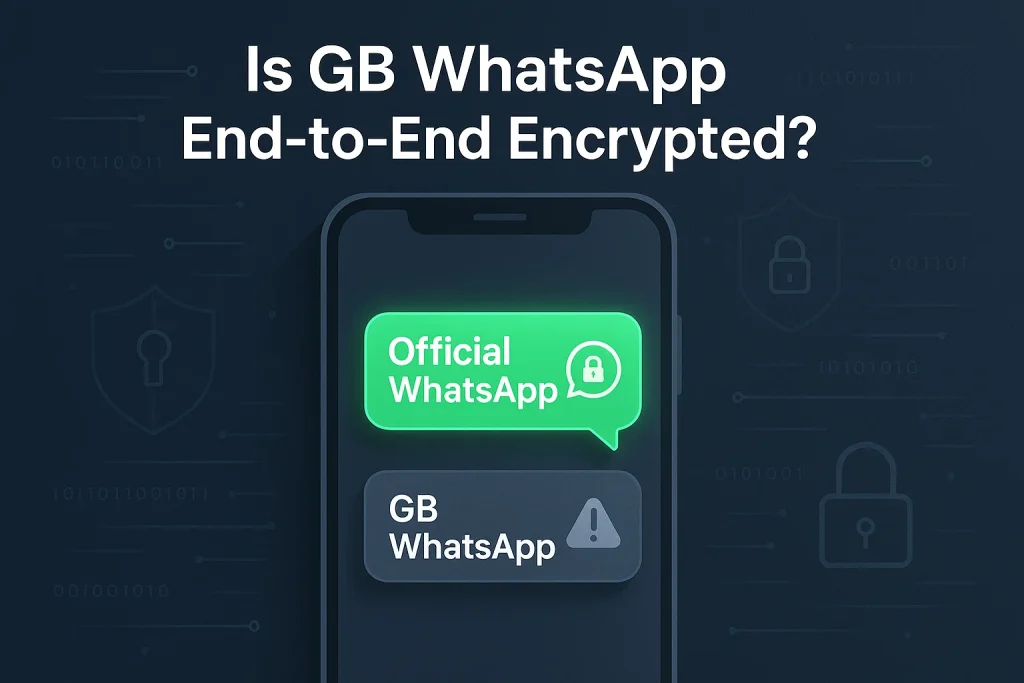
When it comes to private conversations, most people rely on end-to-end encryption for peace of mind. That’s why users often ask, “Is GB WhatsApp end-to-end encrypted like the official WhatsApp?” With millions using this modded app for extra features, the question of security isn’t just important—it’s critical.
If you’re using GB WhatsApp or considering switching to it, you’re probably worried about your privacy, data safety, and account security. These concerns are valid because while the app offers attractive customizations, it doesn’t come from the official developers at WhatsApp. As someone who values both convenience and safety, you deserve clear, unbiased answers before trusting your personal chats to any third-party app.
In this guide, we’ll break down whether GB WhatsApp uses end-to-end encryption in 2026, how it compares to the official version, and the real risks you should know. You’ll also discover GB WhatsApp alternatives and expert-backed insights to make an informed choice.
Related Blogs:
What Does End-to-End Encryption Mean?
End-to-end encryption (E2EE) is a security method that ensures only the sender and receiver can read the messages. Even the app provider, internet service, or hackers cannot access the content in between. In simple words, your chat is locked with a unique digital key, and only the person you’re talking to has the key to unlock it. This makes E2EE the gold standard for private communication.
How Encryption Works in Messaging Apps
When you send a message on an encrypted app, it doesn’t travel in plain text. Instead, the message is scrambled into unreadable code before leaving your device. On the other side, the recipient’s device has the matching key to decrypt it back into readable form. Apps like official WhatsApp and Signal use this system to make sure no one else—not even the company itself—can read your messages while they move across the internet.
Why End-to-End Encryption Matters for Privacy
Without encryption, your messages could be intercepted, tracked, or even misused by third parties. E2EE ensures that your private chats, personal photos, or sensitive details remain between you and the person you trust. In a world where data leaks, surveillance, and privacy risks are common, end-to-end encryption protects not just your conversations but also your digital identity. This is why experts strongly recommend using messaging apps that provide verified encryption by default.
Is GB WhatsApp End-to-End Encrypted?
Official WhatsApp Encryption Policy
The official version of WhatsApp, owned by Meta, uses end-to-end encryption by default for all chats, calls, photos, and videos. This means that only the sender and receiver can read or listen to the communication. Even WhatsApp itself cannot access the content. This encryption standard has been audited, tested, and recognized worldwide as one of the most secure methods of protecting private conversations.
The Security Status of GB WhatsApp
GB WhatsApp Pro is a third-party modified app that is not developed or supported by Meta. While it looks similar to the official app, its security framework is not transparent. The developers of GB WhatsApp do not publicly confirm whether end-to-end encryption works the same way as in the official version. This lack of clarity means users cannot be 100% sure if their messages are truly protected or if they could be intercepted.
Expert Opinions and Risks
Cybersecurity experts consistently warn against using unofficial WhatsApp mods like GB WhatsApp. The main concern is that these apps may bypass or weaken encryption, leaving chats vulnerable to tracking, malware, or unauthorized access. Since GB WhatsApp is not available on trusted app stores, it often comes from third-party websites that can inject harmful code. Experts agree that the risks of data leaks, spyware, and account bans outweigh the extra features these apps provide.
Safer Alternatives to GB WhatsApp
Stick to Official WhatsApp
If you enjoy WhatsApp’s features but worry about security, the safest option is to use the official WhatsApp app. It comes with end-to-end encryption enabled by default, frequent security updates, and support from Meta’s verified development team. Unlike GB WhatsApp, you can trust that your personal messages, calls, and media are protected. The official app also reduces risks like account bans, malware, or hidden spyware.
Other Secure Messaging Apps (Signal, Telegram, etc.)
For users who want even more control over their privacy, apps like Signal and Telegram are worth considering. Signal is widely praised by security experts for its strong open-source encryption and minimal data collection. Telegram offers extra features like secret chats, self-destructing messages, and multi-device access. Both of these apps are transparent about their security policies and regularly update their platforms to keep users safe. Choosing such trusted alternatives gives you advanced features without compromising your privacy and security.
Also Read: